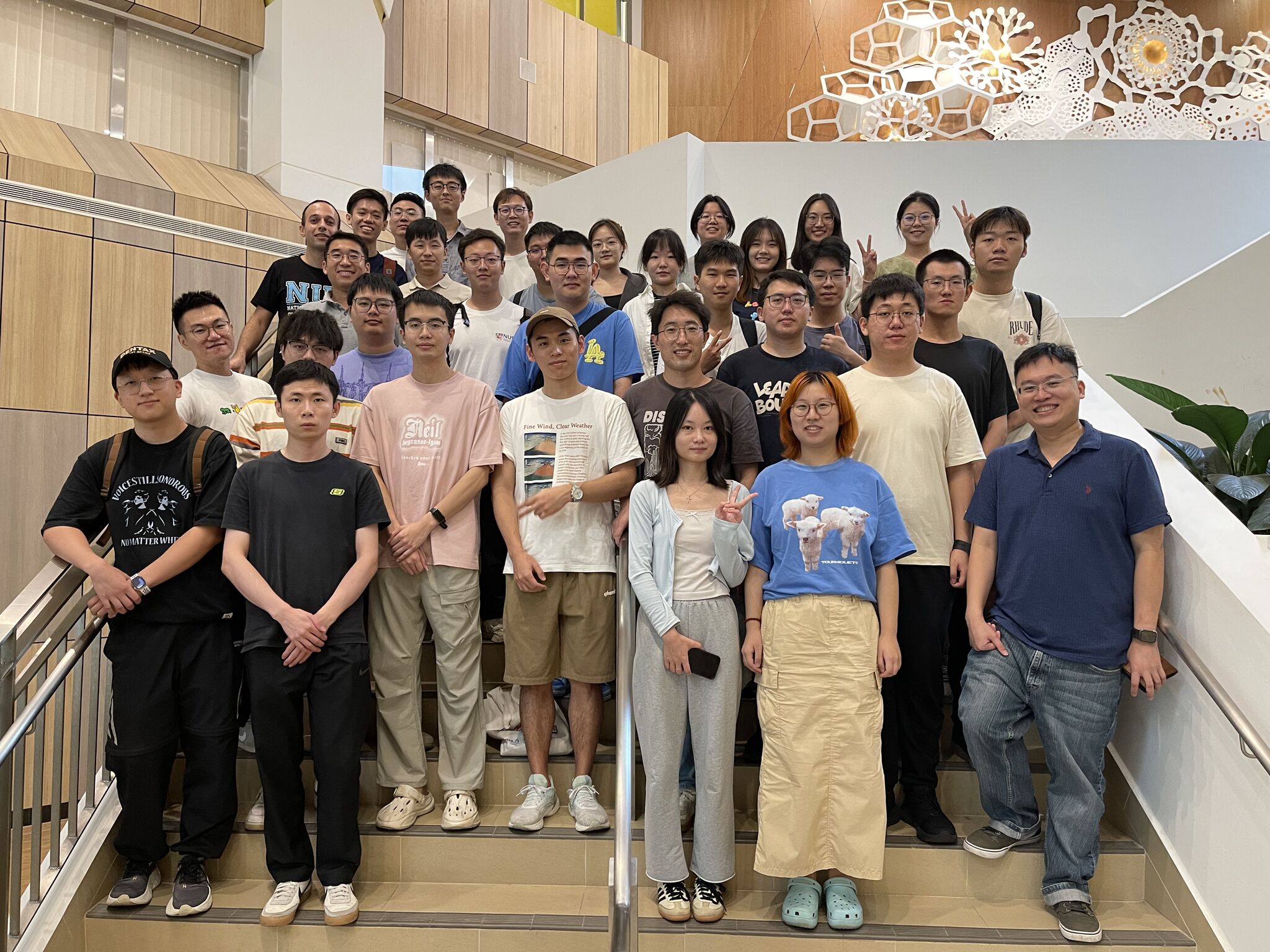
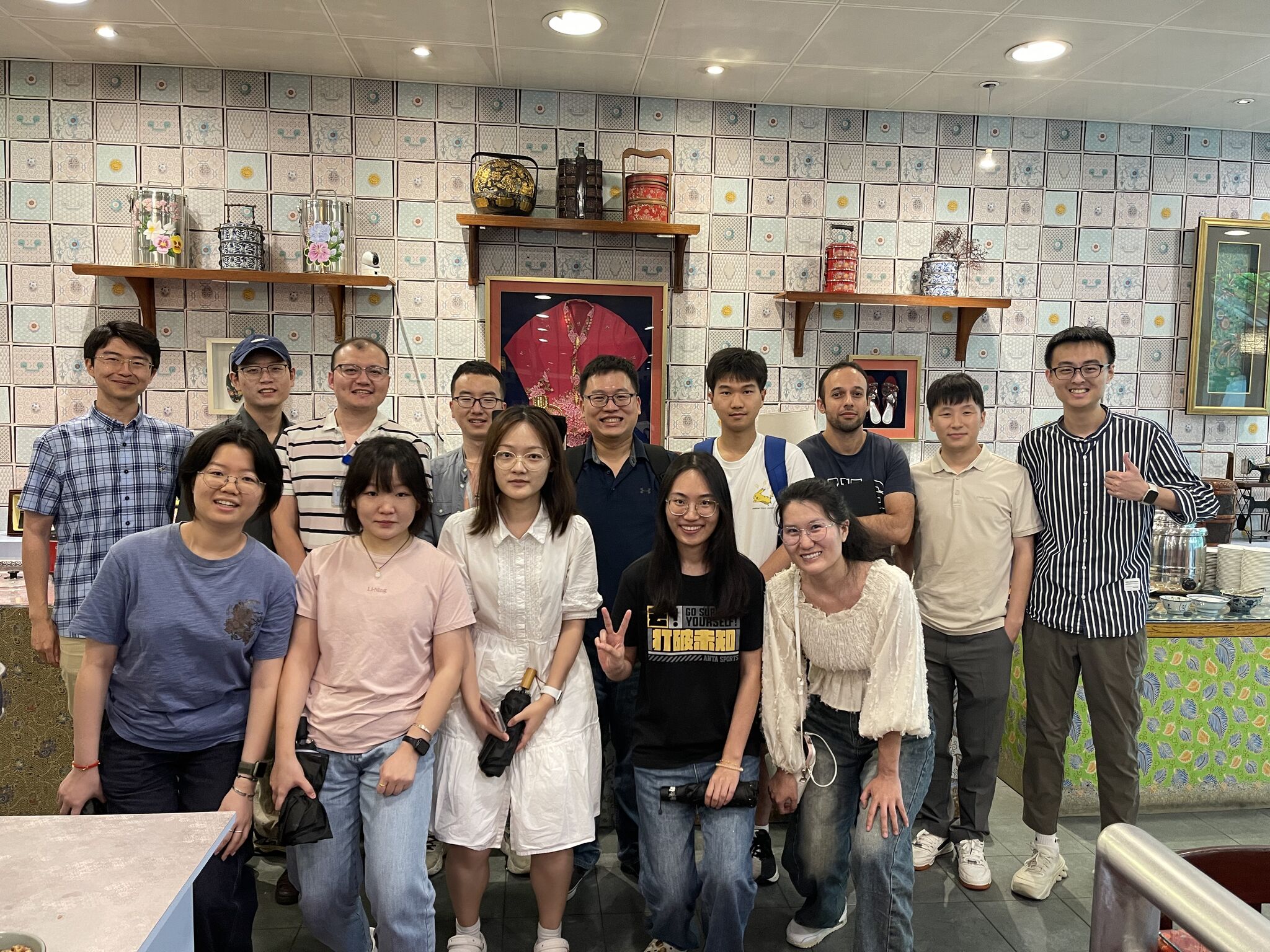
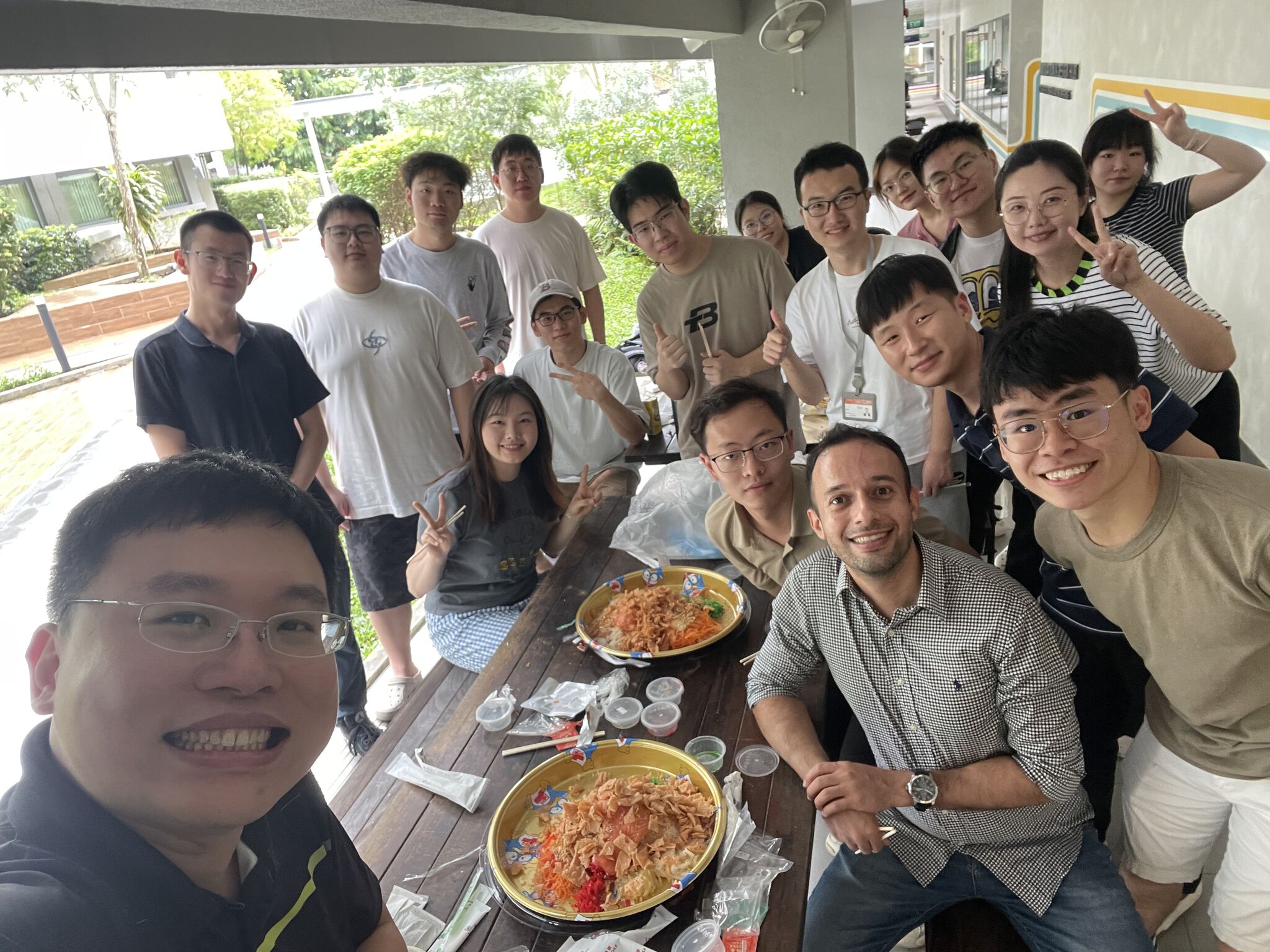
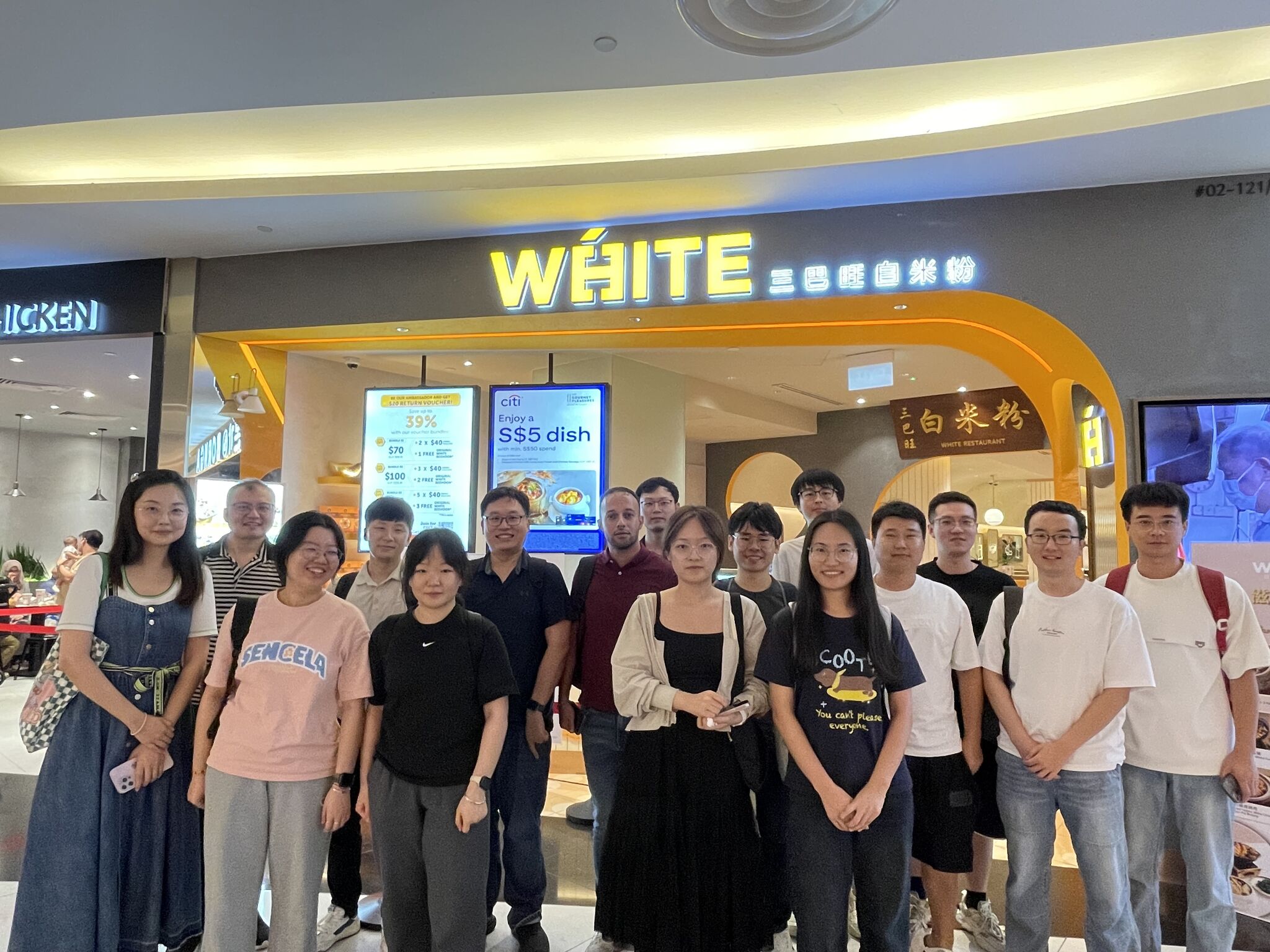
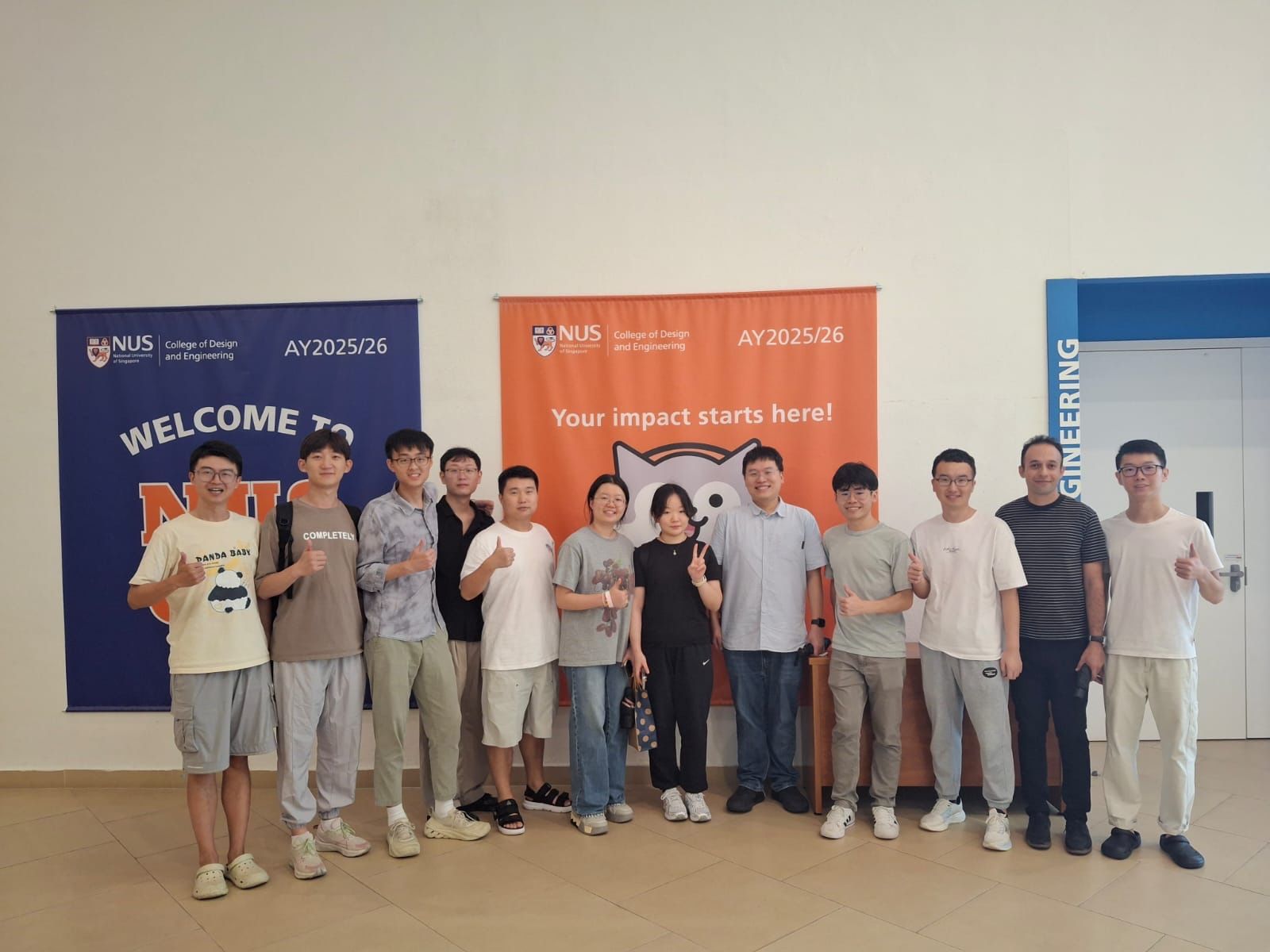
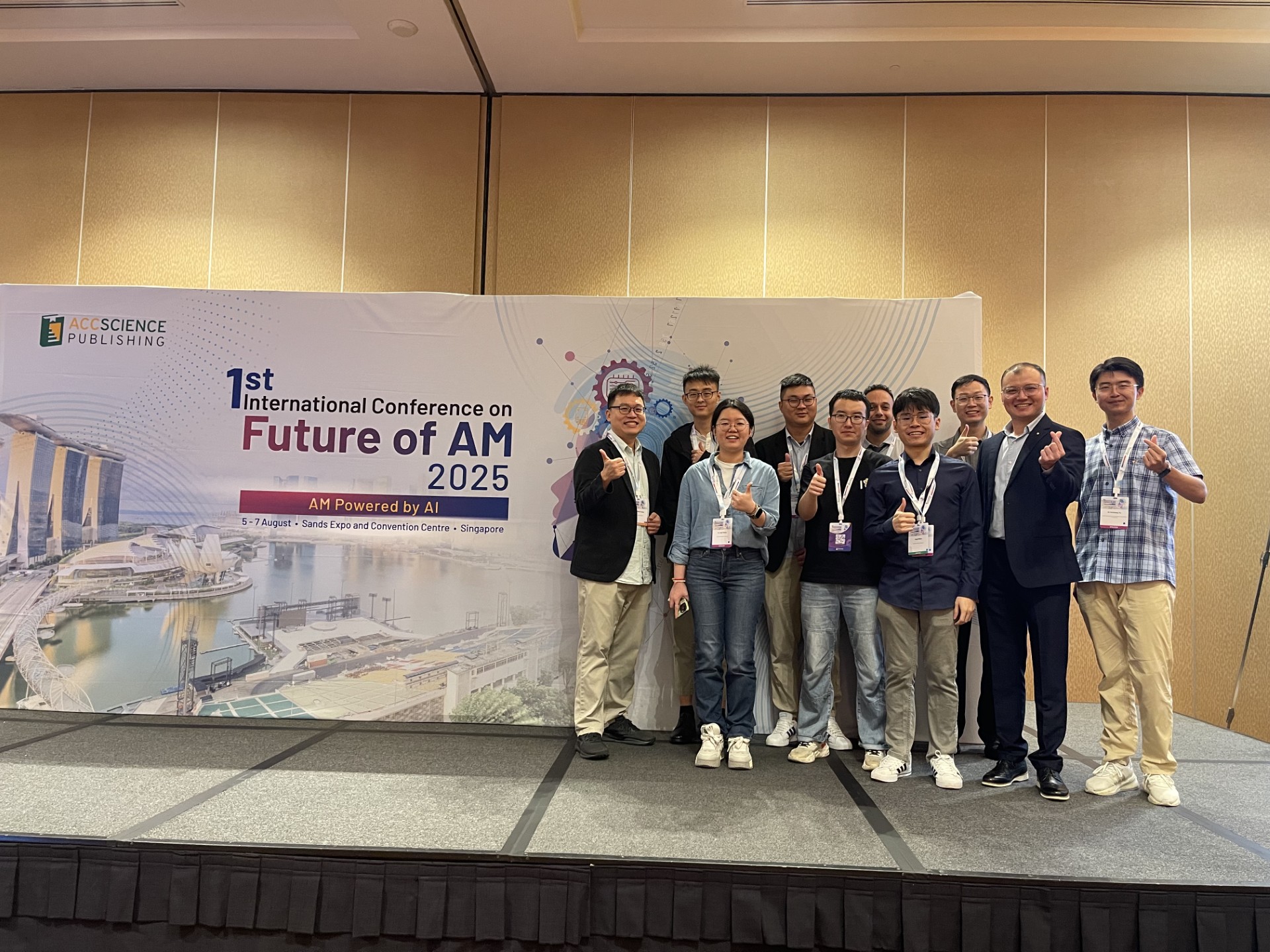
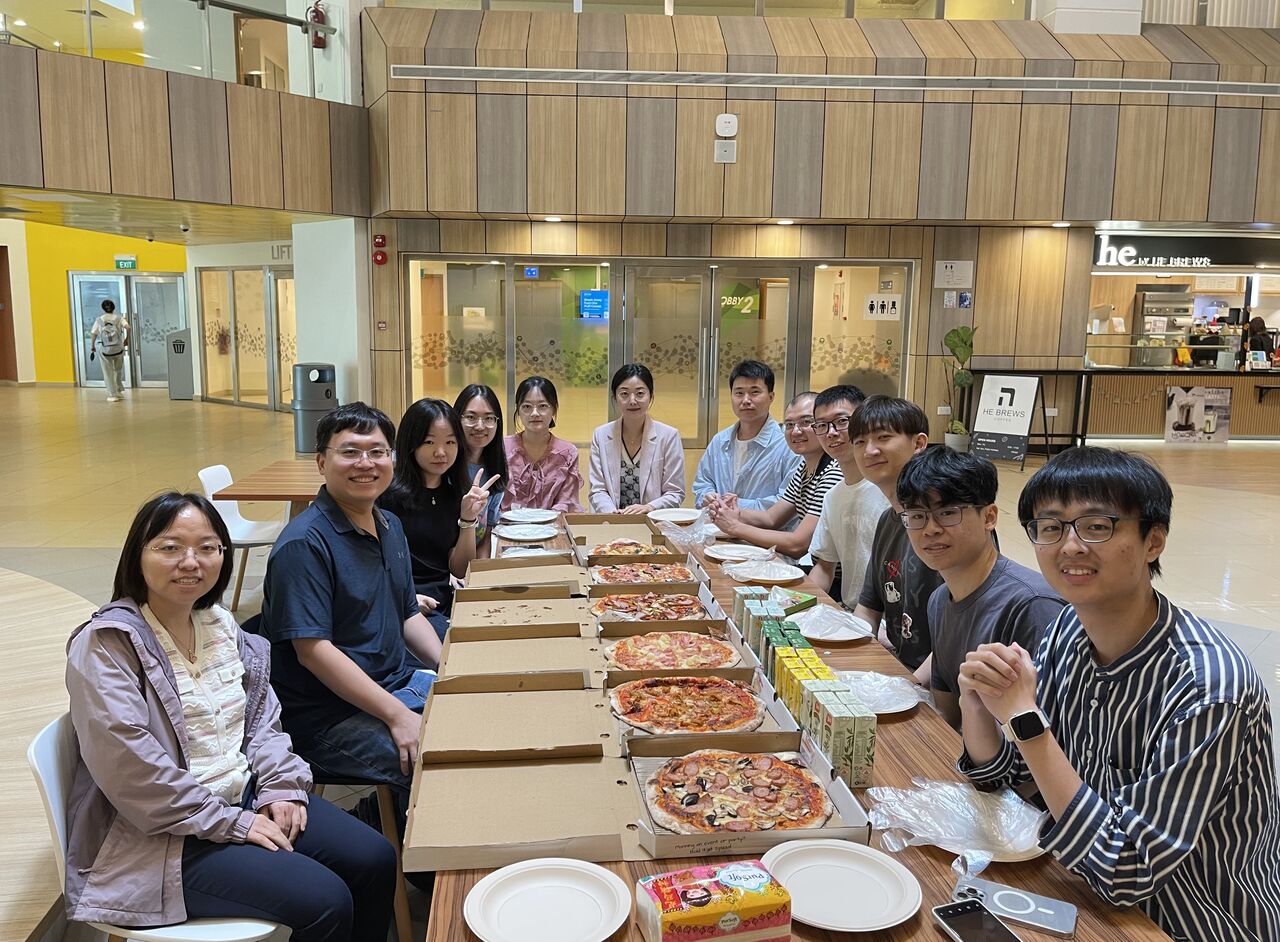
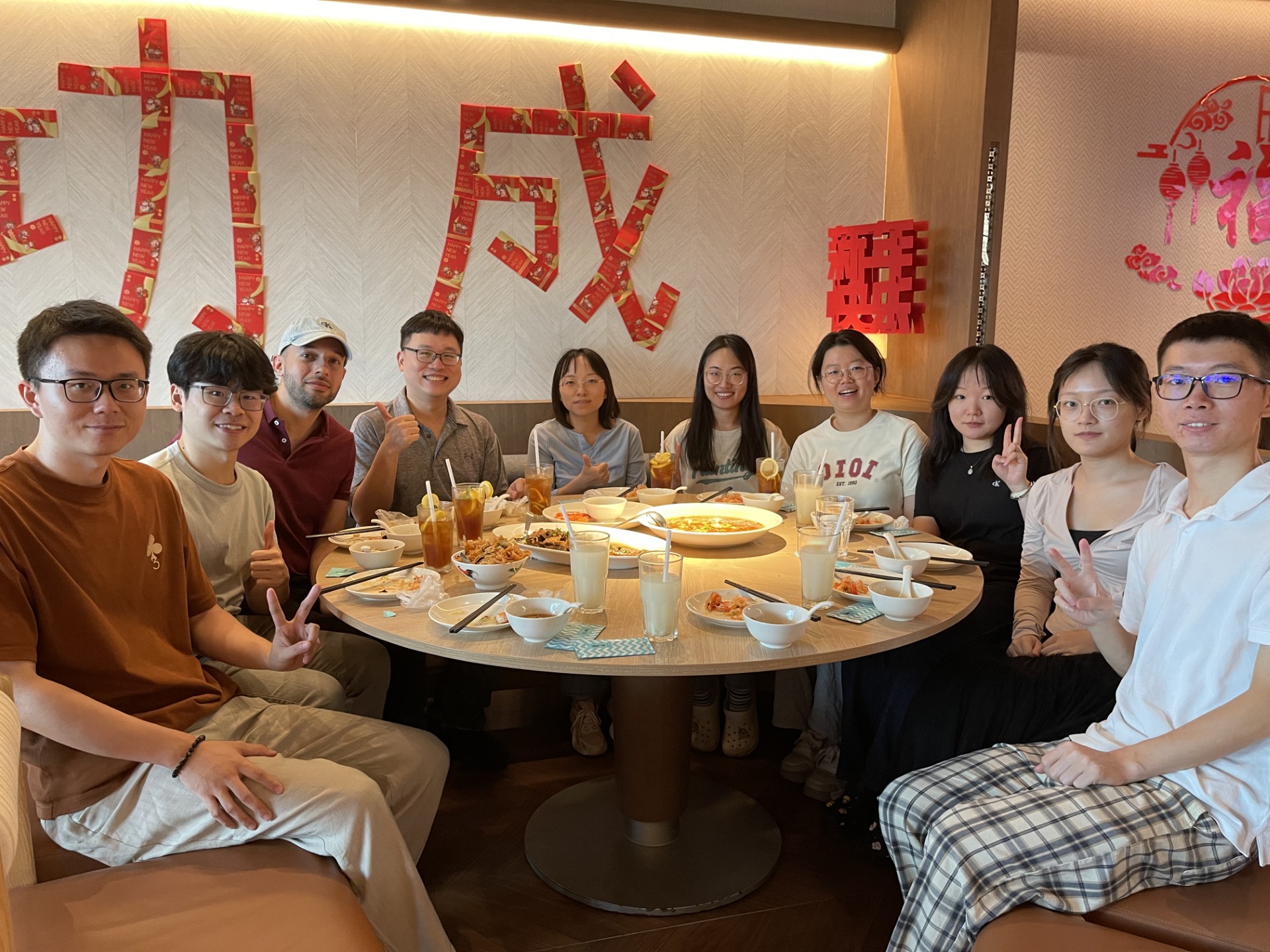
Team
Principal Investigator
Dr Sing Swee Leong
Dr Sing Swee Leong is an Assistant Professor at the Department of Mechanical Engineering, National University of Singapore (NUS), Singapore. Prior to joining NUS, he was a Presidential Postdoctoral Fellow at the School of Mechanical and Aerospace Engineering and Singapore Centre for 3D Printing, Nanyang Technological University, Singapore, after receiving the prestigious fellowship in 2020.
Swee Leong has been active in the field of advanced manufacturing. His research interests are creating strategic and sustainable values for Industry 4.0 and beyond through the use and integration of advanced manufacturing. His research team is currently focusing on the integration of artificial intelligence with additive manufacturing in both material design and process control. His pioneering work in these aspects, particularly his contributions to in-situ alloying, is highly regarded by the community.
Swee Leong was named a Highly Cited Researcher by Clarivate. He was also awarded the Young Professional Award by ASTM International for his work in additive manufacturing and contribution in standard development for the field.
Email: singsl@nus.edu.sg
Research Profiles: Google Scholar / ORCID
Research Fellows
Dr Han Ri
Dr Han Ri is currently a Research Fellow at the National University of Singapore (NUS). He earned his Ph.D. from Queen's University Belfast, where his research focused on the 3D printing of biopolymer scaffolds for bone tissue engineering. Dr. Han's multidisciplinary research lies at the intersection of biomaterials, 3D printing, and artificial intelligence (AI), with a strong emphasis on tissue regeneration. His current work involves the development of novel biomaterials and scaffold systems via incorporating nanoparticles, hydrogels, biodegradable polymers, and metallic alloys for applications in cartilage and bone repair. He has contributed to peer-reviewed journals, book chapters, and international conferences. His research has been recognized through several fellowship and travel awards. With a passion for translational research, Dr. Han actively collaborates across disciplines to bridge the gap between laboratory innovation and real-world clinical and commercial impact.
Email: ri.han@nus.edu.sg
Research Profiles: Google Scholar / ORCID
Dr Ali Ghasemi
Dr Ali Ghasemi is a Postdoctoral Research Fellow at the National University of Singapore (NUS) in the Additive Manufacturing Center (AMC). He earned his PhD in Mechanical Engineering from McMaster University (2019–2023), focusing on laser powder bed fusion (LPBF) of Al and Al matrix composites. His research integrates alloy design, process optimization, and advanced characterization to create high-performance metallic materials for aerospace, energy, and biomedical applications. His work places particular emphasis on phase equilibria and phase transformations to predict solidification paths and microstructure evolution, supported by tools such as Thermo-Calc and JMatPro. Ali's aspiration is to couple experiments with physics-based simulation and machine learning to accelerate process–structure–property discovery. His experience in 3D printing of metallic materials spans across Ti-based alloys (metastable β-Ti and Ti–Al intermetallic), Al alloys for thermal management, and Cu- and Ni-based systems. He is proficient in using FESEM, EBSD, EDS, and XRD to reveal microstructure–defect–performance linkages, and collaborates widely across academia and industry on powder recycling, lattice implants, and creep-resistant, high-temperature materials.
Email: ghasemia@nus.edu.sg
Research Profiles: Google Scholar
PhD Students
Liu Yanting
Liu Yanting is a Ph.D. candidate in Mechanical Engineering at the National University of Singapore, where his research focuses on in-situ alloying additive manufacturing of titanium-tantalum alloys for medical implants. He received his M.S. degree in Materials Science and Engineering from National University of Singapore in 2022, and prior to that, he received his B.S. degree in Materials Science and Engineering from Central South University in 2021. Over the past three years, he has published papers in peer-reviewed journals such as Mater. Sci. Eng. R Rep., Virtual Phys. Prototyp. and J. Manuf. Syst. and has collaborated with multiple research teams around the world.
Email: e0816310@u.nus.edu
Research Profiles: ResearchGate
Chua Cherq
Chua Cherq is a PhD candidate under SUTD-NUS Joint PhD Programme. He obtained First Class Honours for his bachelor's degree in Mechanical Engineering from National University of Singapore (NUS) in 2020. His research focuses on finite element modeling (FEM) and laser powder bed fusion (L-PBF) of high-strength aluminium alloys, particularly Scalmalloy. He integrates thermal simulations with experimental studies to establish process–structure–property relationships, with the goal of developing novel processing strategies that enable microstructure control and enhance the mechanical performance of L-PBF aluminium alloys.
Email: E0072479@u.nus.edu., cherq_chua@mymail.sutd.edu.sg
Research Profiles: Google Scholar / ORCID
Zhang Jiayi
Zhang Jiayi is currently a PhD candidate in Prof. Sing’s group. She received her Bachelor’s degree in Computer Science and Engineering from the Southern University of Science and Technology (Shenzhen, China). Her research interests lie at the intersection of artificial intelligence and advanced manufacturing, focusing on machine learning (ML)-based process monitoring for metal additive manufacturing (MAM). In particular, she works on improving the generalizability, robustness, and interpretability of ML models to enable reliable real-time monitoring and quality assurance in MAM. Beyond metals, she is also involved in cross-process projects, extending ML frameworks to other additive manufacturing domains such as extrusion-based 3D bioprinting. Her broader research vision is to develop intelligent, data-driven monitoring and control systems that advance the reliability and scalability of additive manufacturing technologies.
Email: E0978509@u.nus.edu
Shangguan Peijie
Shangguan Peijie is a PhD student. Her research focuses on hydrogen embrittlement in high-entropy alloys, combining first-principles (DFT) calculations with microscopy to guide alloy design and additive manufacturing optimisation.
Email: e1010727@u.nus.edu
Research Profiles: ORCID
Ni Fengbing
Ni Fengbing joined the Department of Mechanical Engineering, National University of Singapore, as a PhD candidate in August 2024. Her research interest lies in additive manufacturing techniques and their applications for biomedical applications. Her current research project focuses on laser powder bed fusion (LPBF) of biodegradable metallic materials for bone implant applications. Prior to her PhD studies, Fengbing’s research background was mainly in the fields of fluid mechanics and heat transfer. She completed her Master’s degree in Mechanical Engineering at National University of Singapore and obtained her Bachelor’s degree from the College of Aerospace Engineering at Nanjing University of Aeronautics and Astronautics, China.
Email: E1192453@u.nus.edu
Research Profiles: ORCID
Chan Chun Hwee, Robin
Chan Chun Hwee, Robin holds a B.Eng. in Mechanical Engineering from the National University of Singapore, where he completed his final-year project on “Laser ablation of steel under different ambient conditions.” He later obtained an M.Sc. in Mechanical Engineering from Technische Universität Hamburg-Harburg, conducting research on “Comparison of nested and sequential reliability-based optimization approaches for robust topology optimization.” He has worked in industry as a mechanical design engineer, contributing to developmental projects spanning automotive and electronics applications.
He is currently leading research projects at the Institute of Technical Education (ITE) Technology Development Centre, including both industry collaborations and grant-funded projects under the National Robotics Programme (NRP), Building and Construction Authority (BCA), and Ministry of Education (MOE). His present research focuses on robot end-effector design, robust sensing, and perception systems for deployment in dynamic and unstructured outdoor environments.
Visiting Scholars
Li Shuangshuang
Li Shuangshuang is a Ph.D. Candidate in Materials Processing Engineering at the School of Materials Science and Engineering, Jilin University, China. Currently, she is also a visiting student at the National University of Singapore under a joint-training program.
Her main research interest is the microstructure construction and strengthening-toughening mechanism of aluminum alloy manipulated by nanoparticles.
Email: e1340414@u.nus.edu
Research Profiles: ResearchGate
Mo Yang
Mo Yang is a Ph.D. candidate in Materials Science and Engineering at Hunan University, currently conducting joint doctoral research at the National University of Singapore under the support of the China Scholarship Council (CSC). He received his B.Eng. degree in Materials Science and Engineering from Southwest University of Science and Technology in 2020. His research focuses on the plastic deformation mechanisms of light alloys, dynamic recrystallization modeling, and optimization of support structures in metal additive manufacturing. During his doctoral studies, he has published research papers in internationally recognized journals such as Int. J. Extrem. Manuf., J. Magnes. Alloy., Virtual Phys. Prototyp. and Mater. Charact., and has actively engaged in collaborative projects integrating experimental characterization, numerical simulation, and data-driven approaches.
His research interests mainly include the following two areas:
1). Lightweight Alloys
(i) Plastic deformation mechanisms of magnesium and aluminum alloys, including texture evolution, slip–twin interactions, and dynamic recrystallization;
(ii) Microstructural characterization using EBSD, XRD, and in-situ mechanical testing;
(iii) Multi-scale modeling to establish microstructure–property relationships.
2). Additive Manufacturing
(i) Additive manufacturing of lightweight and advanced metallic materials;
(ii) Support structure optimization via FEM and machine learning to control residual stress, distortion, and manufacturability;
(iii) Crystallographic texture engineering for structural and functional property tailoring.
Email: e1340999@u.nus.edu, moyoung@hnu.edu.cn
Research Profiles: ResearchGate
Yu Kaicheng
Yu Kaicheng is currently a joint Ph.D. candidate at the School of Mechatronics Engineering, Harbin Institute of Technology, and the Department of Mechanical Engineering, National University of Singapore. His research interests lie in additive manufacturing and biofabrication, with a focus on extrusion-based 3D printing, process–structure–property relationships of thermoplastic polymers and hydrogels, and the computational and experimental design of functional scaffolds for regenerative medicine.
His doctoral research has concentrated on temperature control, process parameter optimization, and environmental stability in extrusion-based 3D printing, achieving significant improvements in filament fidelity and scaffold reliability. Building on this foundation, he has extended his work to the computational modeling and experimental validation of skin substitutes and bone scaffolds, demonstrating the feasibility of biomimetic structural designs through finite element simulations and mechanical testing.
In recent years, his research has expanded to machine learning and AI-driven generative design and topology optimization, particularly applied to high-fidelity and manufacturable liquid-cooling structures and biomedical scaffolds.
Kaicheng Yu has published several peer-reviewed articles in the areas of additive manufacturing, tissue engineering scaffolds, and process optimization for extrusion-based 3D printing.
Email: e1496133@u.nus.edu
Luo Yiwa
Dr Luo Yiwa joins the Department of Mechanical Engineering, NUS, as a Visiting Scholar in December 2024. She is an Associate Professor at the University of Science and Technology Beijng, China. Her research interests include the preparation of titanium alloy nano-composite powders, additive manufacturing of biomedical titanium alloy materials, and mechanical properties optimization of special steels. She has a series of innovative achievements in the design and additive manufacturing of biomedical titanium alloy implants, and the 3D printing and heat treatment of special steel.
Email: mpev574@nus.edu.sg
Research Profiles: ORCID
Li Zhifeng
Li Zhifeng is a Ph.D. candidate at Xi’an Jiaotong University (XJTU) and National University of Singapore NUS, specializing in non-destructive testing (NDT) using ultrasound. His research focuses on integrating advanced artificial intelligence (AI) and deep learning models with ultrasonic defect detection techniques. He aims to develop innovative solutions for automating the identification and characterization of flaws in materials, with a particular interest in applying AI to laser powder bed fusion (LPBF) additive manufacturing for in-situ monitoring and quality assessment, thereby significantly enhancing the accuracy and efficiency of structural health monitoring and quality control across various industries.
Email: e1509488@u.nus.edu
Research Profiles: ORCID
Lei Jiaming
Lei Jiaming is a Ph.D. candidate in Instrument Science and Technology at Xi’an Jiaotong University and a joint Ph.D. researcher at the National University of Singapore with CSC support. His work focuses on inkjet printing of oxide-based thin films and the development of flexible high-temperature sensors. He has published over 10 SCI papers, filed more than 20 patents, and contributed to national and international standards. He has received multiple national and provincial awards, including first prize in the “Ming Shi Cup” Micro-Nano Sensor Technology and Smart Application Competition.
His research interests include inkjet-printed particle-free precursor inks for ITO/In2O3 thin-film thermocouples, MEMS-based high-temperature and fast-response sensors, and multi-physics modeling of thin-film devices under extreme environments. He focuses on sensor durability, structural optimization of oxide heterostructures, and thermoelectric transport mechanisms from cryogenic to ultra-high temperatures. He is also interested in packaging and system-level integration for industrial online monitoring applications.
Email: 3120101279@stu.xjtu.edu.cn
Research Profiles: ORCID
Zhang Wei
Zhang Wei is a joint Ph.D. candidate at the School of Mechatronics Engineering, Northeastern University (NEU, China) and a visiting scholar at the Department of Mechanical Engineering, National University of Singapore (NUS). His research focuses on AI-driven topology optimization, multi-physics generative modeling, and additive manufacturing for applications in both biomedical and engineering domains. He has developed several deep learning-based generative design frameworks, including algorithms for liquid-cooling plate topology optimization in bioprinting nozzles, aerodynamic modeling in automotive design, full-thickness skin substitutes, and cancellous bone scaffold generation. By integrating deep learning, diffusion models, and state-space architectures with embedded physical priors, his work aims to establish efficient, physically consistent, and manufacturable design paradigms, validated through both simulations and experiments. In addition, he applies deep learning, evolutionary algorithms, multi-objective optimization, and topology optimization to broader areas such as industrial intelligence, additive manufacturing, computer vision, image processing, and robotics.
Email: e1514806@u.nus.edu, w.zhang96@outlook.com
Research Profiles: Google Scholar
Chen Jiabo
Chen Jiabo began his undergraduate studies at Central South University in 2017. He joined the School of Materials at Sun Yat-sen University as a postgraduate student to conduct research on corrosion and protection of metallic materials in 2021. He joined Professor Sing’s research group in the Department of Mechanical Engineering at the National University of Singapore (NUS) as a joint PhD student in August 2025. His current research focuses on the surface nanocrystallization of additively manufactured Scalmalloy.
Email: e1698221@u.nus.edu
Research Profiles: Google Scholar
Wang Liyu
Wang Liyu commenced his Master's studies at Beihang University in 2020 and transitioned into the Ph.D. program in 2022. He is currently a Ph.D. candidate in the Department of Mechanical Manufacturing and Automation at Beihang University. He has been awarded the Academic Excellence Foundation of BUAA for PhD Students. Additionally, he is funded by the China Scholarship Council (CSC) to be a visiting PhD Student at National University of Singapore.
Wang Liyu research focuses on multi-energy field advanced manufacturing of composite materials, particularly the processing of metal matrix composites. This includes material removal mechanisms under assisted energy fields such as ultrasound and laser, as well as deformation control in the machining of structural components. He is currently exploring hybrid additive and subtractive manufacturing of metal matrix composites.
Email: wangliyu@buaa.edu.cn
Research Profiles: ORCID
Alumni
Postgraduates
| Name | Position | Period |
|---|---|---|
| Name | Position | |
| Richard Williams | Research Fellow | |
| Su Jinlong | Research Fellow | |
| Xu Tianyu | PhD (CSC Scholarship – Huazhong University of Science and Technology) | |
| Ding Rui | PhD (CSC Scholarship – Harbin Institute of Technology) | |
| Qin Qingyu | PhD (CSC Scholarship – China Agricultural University) | |
| Li Siliang | PhD (CSC Scholarship – Tongji University) | |
| Su Jianhui | PhD (CSS Scholarship – Harbin Institute of Technology) | |
| Jiang Wei | PhD (CSC Scholarship – Central South University) | |
| Lan Liwei | PhD (CSC Scholarship – Taiyuan University of Technology) | |
| Peng Gao | PhD (CSC Scholarship – Nanjing University of Science and Technology) | |
| Liu Yifan | PhD (CSC Scholarship – Harbin Institution of Technology) | |
| Chen Lin | PhD (CSC Scholarship – Xi’an Jiaotong University) | |
| Haw Jiekang | MEng (ME) | |
| Zhang Haojun | MSc (ME) | |
| Yang Zhuoxin | MSc (ME) | |
| Xue Xiaoning | MSc (ME) | |
| Lou Yue | MSc (ME) | |
| Li Mengqiao | MSc (ME) | |
| Sarah Iftin Atsani | MSc (ME) | |
| Xu Yiyang | MSc (ME) | |
| Wang Mengdong | MSc (ME) | |
| Da Minhao | MSc (ME) | |
| Ke Jiahong | MSc (ME) | |
| Yin Ce | MSc (ME) | |
| Ding Zijian | MSc (ME) | |
| Gao Yongjing | MSc (ME) | |
| Jiang Lan | MSc (ME) | |
| Li Bowei | MSc (ME) | |
| Shu Xintong | MSc (ME) | |
| Wu Jianghan | MSc (ME) | |
| Xie Haoze | MSc (ME) | |
| Yang Minxin | MSc (ME) | |
| Ye Zehao | MSc (ME) | |
| Yin Haoran | MSc (ME) | |
| Zhou Huifei | MSc (ME) | |
| Zheng Haozhang | MSc (Energy Systems) | |
| Zhong Haoyang | MSc (Energy Systems) | |
| Xu Zhen | MSc (ME) | |
| Zhu Mingjie | MSc (ME) |
Undergraduates
| Name | Degree Programme | Period |
|---|---|---|
| Muhammad Azrul B Mohd Salihin | BEng (Hons) | 08/2021 – 05/2022 |
| Soh Pongtawee | BEng (Hons) | 08/2021 – 05/2022 |
| Tan Hui Jun | BEng (Hons) | 08/2021 – 05/2022 |
| Tan Song Yang | BEng (Hons) | 08/2021 – 05/2022 |
| Hu Yichen | BEng (Hons), NUSRI | 08/2021 – 05/2022 |
| Ding Chenbin | BEng (Hons), NUSRI | 08/2021 – 05/2022 |
| Chia Xinru Jasmine | BEng (Hons) | 01/2022 – 11/2022 |
| Ivan Chong Jun Wen | BEng (Hons) | 01/2022 – 11/2022 |
| Lee Chan Wai | BEng (Hons) | 01/2022 – 11/2022 |
| Tan Ji Yang | BEng (Hons) | 08/2022 – 05/2023 |
| Viswanathan Balaji Hariharan | BEng (Hons) | 08/2022 – 05/2023 |
| Wong Wei Zhe | BEng (Hons) | 08/2022 – 05/2023 |
| Xu Yiyang | BEng (Hons), NUSRI | 08/2022 – 05/2023 |
| Yin Ce | BEng (Hons), NUSRI | 08/2022 – 05/2023 |
| Ang Kai En | BEng (Hons), E-Scholar | 01/2023 – 05/2023 |
| Chew Jun Yee Jaxsen | BEng (Hons), E-Scholar | 01/2023 – 05/2023 |
| Tan Yi Wei | BEng (Hons), E-Scholar | 01/2023 – 05/2023 |
| Raymond Sombol Keow | BEng (Hons) | 01/2023 – 11/2023 |
| Chiang Wei Yim | BEng (Hons) | 08/2023 – 11/2024 |
| Jin Ziqi | BEng (Hons) | 08/2023 – 05/2024 |
| Khaw Joshua Jia Hao | BEng (Hons) | 08/2023 – 05/2024 |
| Lee Yi Zi | BEng (Hons) | 08/2023 – 05/2024 |
| Tok Jun Wei Daren | BEng (Hons) | 08/2023 – 05/2024 |
| Yeo Zhan Jun | BEng (Hons) | 08/2023 – 05/2024 |
| Ding Zijian | BEng (Hons), NUSRI | 08/2023 – 05/2024 |
| Xu Zhen | BEng (Hons), NUSRI | 08/2023 – 05/2024 |
| Ye Zehao | BEng (Hons), NUSRI | 08/2023 – 05/2024 |
| Yin Haoran | BEng (Hons), NUSRI | 08/2023 – 05/2024 |
| Zhou Huifei | BEng (Hons), NUSRI | 08/2023 – 05/2024 |
| Zhu Mingjie | BEng (Hons), NUSRI | 08/2023 – 05/2024 |
| Ashley James Tan Wei Zhen | BEng (Hons) | 01/2024 – 11/2024 |
| Suria S/O Revi | BTech (Hons) | 01/2024 – 11/2024 |
| Choo Yan Ying, Desiree | BEng (Hons), E-Scholar | 08/2024 – 05/2025 |
| He Jiahao | BEng (Hons) | 08/2024 – 05/2025 |
| Wong Chong Jun | BEng (Hons) | 08/2024 – 05/2025 |
| Huang Baisong | BEng (Hons), NUSRI | 08/2024 – 05/2025 |
| Cao Yiyang | BEng (Hons), NUSRI | 08/2024 – 05/2025 |
| Gao Jungan | BEng (Hons), NUSRI | 08/2024 – 05/2025 |
| Zhang Zhanlin | BEng (Hons), NUSRI | 08/2024 – 05/2025 |
| Du Jianyu | BEng (Hons), NUSRI | 08/2024 – 05/2025 |
| Wang Yufan | BEng (Hons), NUSRI | 08/2024 – 05/2025 |